Let’s Sense Wings!
Bringing the invisible rhythms of nature into focus. WingSense uses mm-wave radar to monitor biodiversity with total precision and zero disturbance.
The things that disappear the slowest are often the ones
we notice the least!
Why it Matters
The Silent Foundation
Biodiversity is the invisible infrastructure of our world. From the bees that pollinate our food to the insects that maintain our soil, their work is the pulse of a healthy planet.
A Need for Clarity
In a changing climate, understanding these populations is more critical than ever. We believe that to protect our ecosystems, we first need the ability to hear their story through data.
Beyond the Surface
While nature is resilient, it is also subtle. We are developing the tools to detect shifts in biodiversity before they become crises, ensuring a future where nature and technology thrive together.
Our Solution
Our technology moves beyond traditional observation. By using mm-wave radar, we can identify the unique "signatures" of wings in flight.
Completely Non-Invasive: We don't need to tag or trap. We simply observe from a distance, leaving the environment exactly as we found it.
Field-Ready Resilience: Nature doesn't stop for the weather, and neither do we. Our sensors are designed to provide steady, reliable data in the wind, rain, and sun.
Privacy by Design: Because we use radar signatures rather than images or audio, we offer a solution that respects the privacy of both people and the planet.
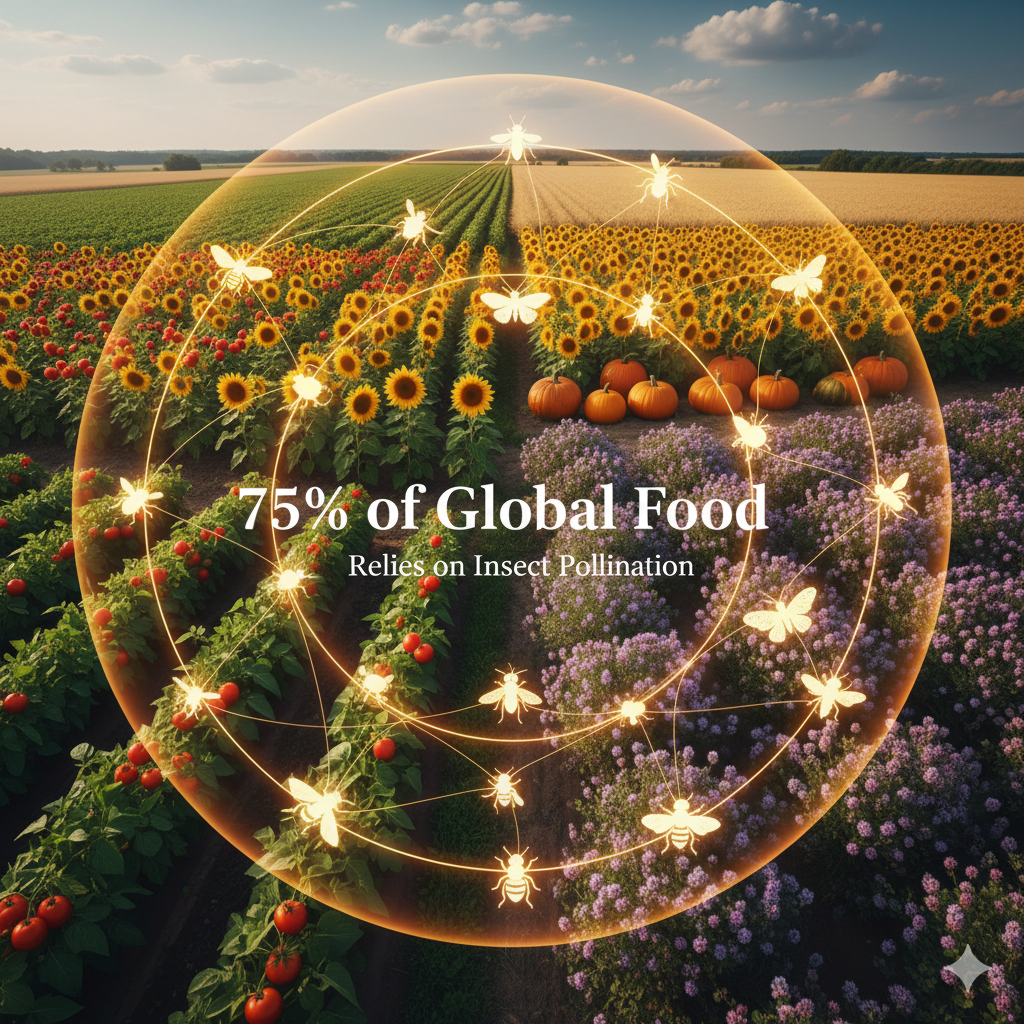
The Essential Work
Over 75% of global food crops rely on the health of insect biodiversity.
Insights Beyond the Visible
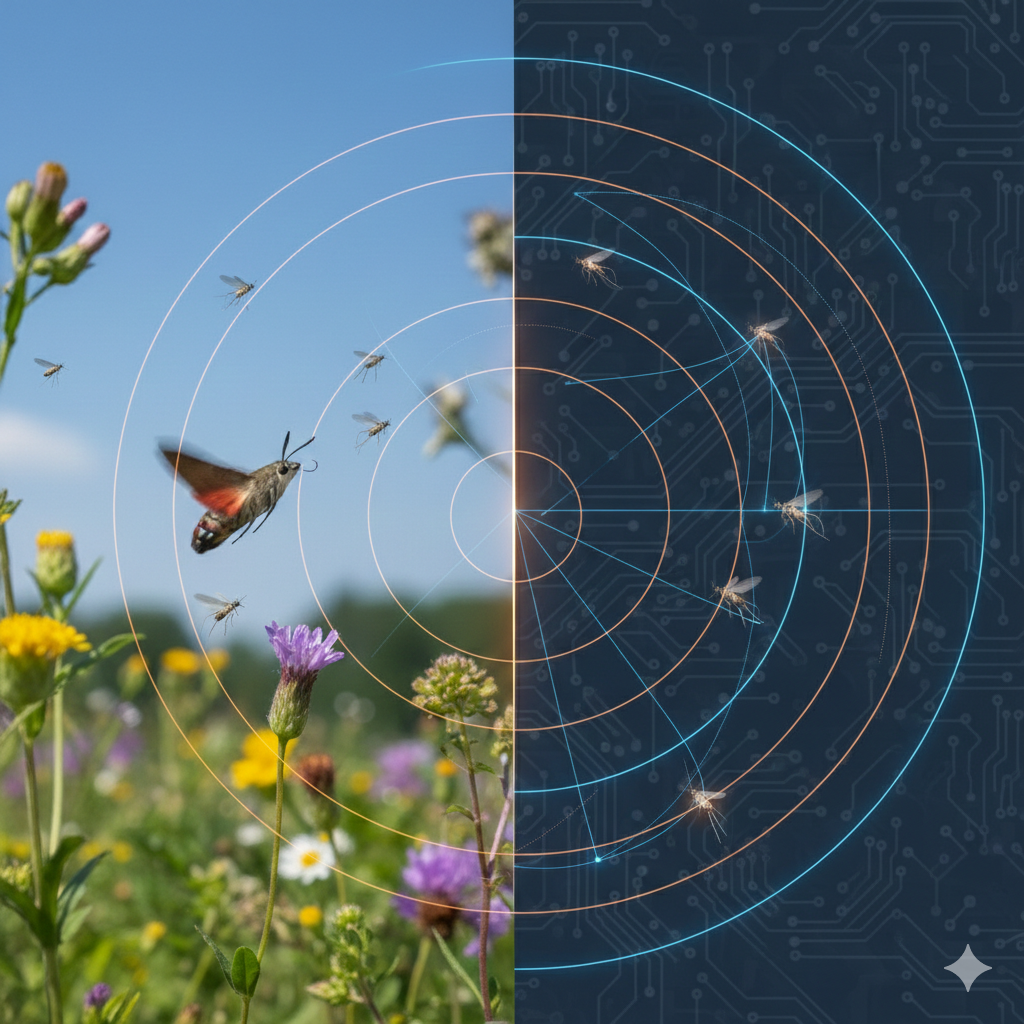
Seeing the Unseen
Our mm-wave radar "sees" beyond the limit of the eye, tracking wing-beats and even airborne agricultural particles that traditional sensors miss.
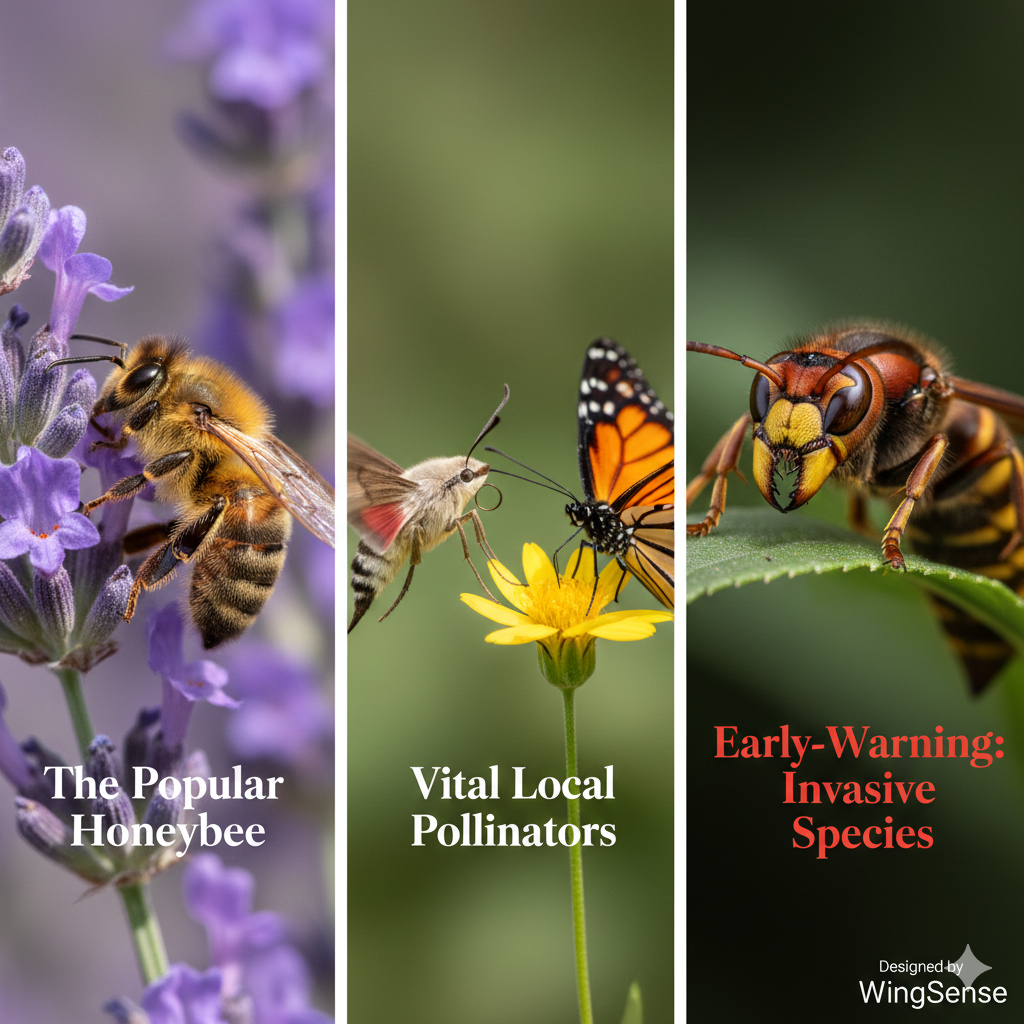
All-Species & Safety Focus
From monitoring vital honeybees and tracking invasive threats like the Asian Hornet, to detecting the drift of airborne pesticides in real-time.
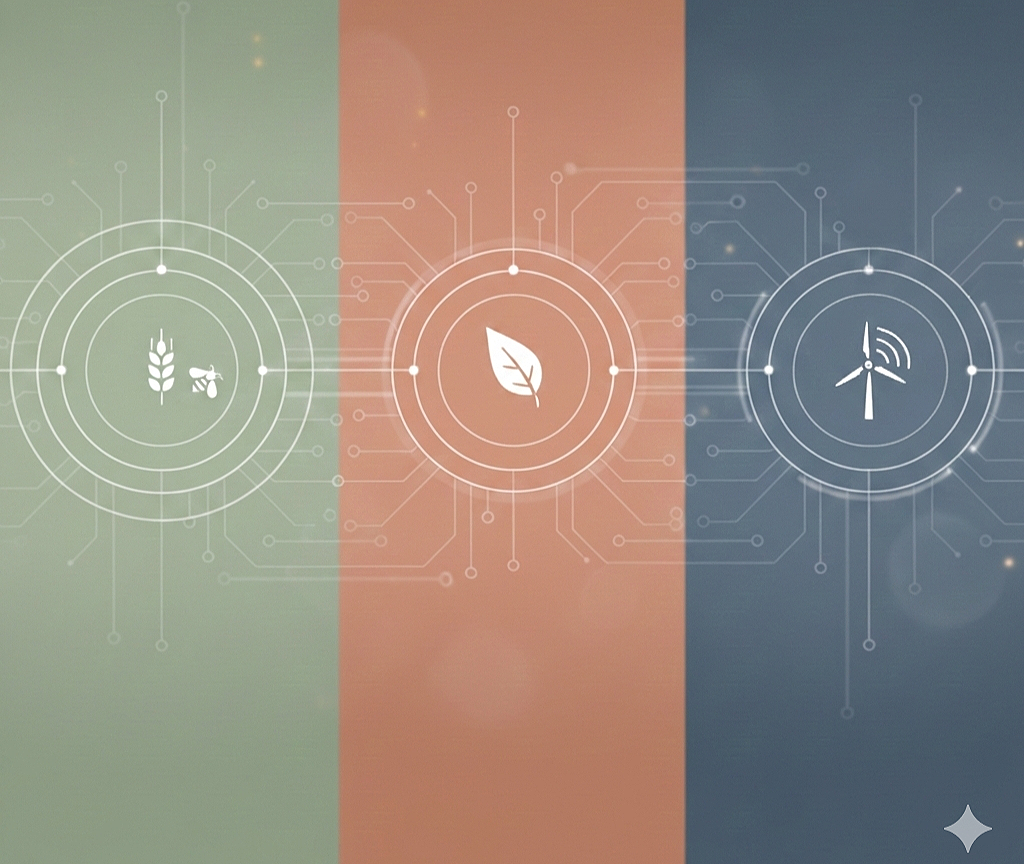
Agriculture
Precision Pollination
Pollination Mapping: Track specific visit times and activity levels across different crops in real-time.
Pest Intelligence: Detect early-warning signals of pest presence to prevent crop damage.
Targeted Input: Use precise activity data to optimize pesticide application, reducing costs and environmental impact.
Impact Across Industries
Environment
Verifiable Biodiversity
Sustainability Goals: Generate the "ground-truth" data needed to validate long-term environmental targets.
Non-Invasive Monitoring: Track local pollinator health without disturbing the natural habitat.
Invasive Alerts: Identify and flag invasive species early to protect native biodiversity.
Energy & Infrastructure
Resilient ESG
ESG Standards: Automate high-integrity data collection for Environmental, Social, and Governance (ESG) reporting.
Regulatory Compliance: Ensure your remote sites meet environmental mandates year-round.
Weather-Proof Reliability: Maintain consistent monitoring across solar farms and utility grids, regardless of fog, rain, or darkness.
Who We Are
We are a team of engineers and ecologists at Trinity College Dublin and the CONNECT Centre. Backed by the ARC HUB for ICT, we are dedicated to creating a more data-informed relationship with our natural world.